
Heat pumps and furnaces can both keep a home warm, but they operate differently. Climate, energy prices, existing equipment, insulation, comfort preferences, and installation costs all influence the right choice. Comparing performance, efficiency, maintenance, and long-term value can help homeowners select a heating system that suits their needs.
Choosing a new heating system affects comfort, energy use, and household expenses for years. Furnaces generate heat and distribute it through the home, while heat pumps transfer heat and can provide both heating and cooling. Homeowners considering heat pumps for efficient comfort should examine more than the purchase price. Climate, insulation, home size, existing ductwork, energy rates, and personal comfort preferences all influence system performance. A furnace may suit homes with demanding winter conditions, while a heat pump can offer efficient year-round operation in milder areas. Understanding these differences makes it easier to choose equipment that matches your home.
1. How Heat Pumps and Furnaces Work
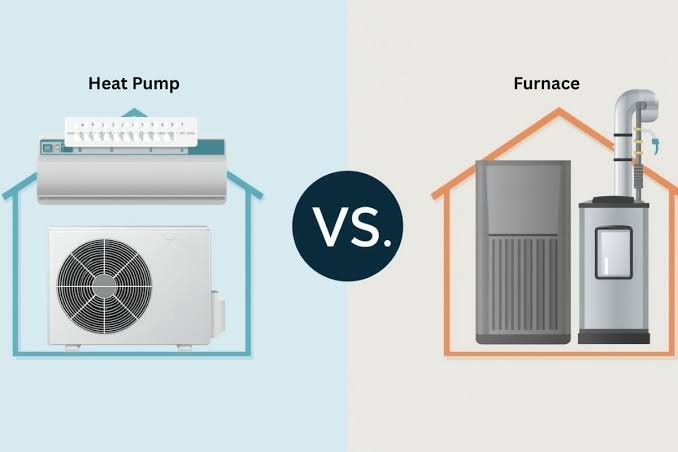
A furnace creates heat by using gas or electricity. A blower then moves the heated air through ductwork and into the home. Furnaces are designed specifically for heating.
A heat pump does not generate heat in the same way. It transfers available heat from outside air into the home during winter. In summer, the process reverses, allowing the same system to provide cooling.
The Basic Difference
- A furnace generates heat.
- A heat pump transfers heat.
- A furnace provides heating only.
- A heat pump provides heating and cooling.
This dual-purpose operation can make a heat pump attractive to homeowners who want one system for year-round temperature control.
2. Consider Your Local Climate
Climate is one of the most important factors in heating-system selection. Heat pumps generally perform efficiently in areas with mild winters because outdoor air still contains heat that can be transferred indoors.
Furnaces can produce strong, steady heat during colder conditions. Homes in areas with long periods of freezing weather may benefit from the dependable heating output of a properly sized furnace.
Modern heat pump performance has improved, but every model has operating limits. A professional load calculation can determine how much heating capacity your home requires during the coldest expected conditions.
3. Compare Energy Efficiency
Heat pumps can deliver more heating energy than the electricity they consume because they move heat instead of creating it. This can reduce energy use in suitable climates.
Furnace efficiency depends on the model, fuel source, condition, and installation. High-efficiency furnaces can convert a large share of their fuel into usable heat, but fuel prices affect operating costs.
Do not compare efficiency ratings alone. Consider:
- Local electricity and gas prices
- Typical winter temperatures
- Equipment efficiency ratings
- Expected annual operating time
- Home insulation and air leakage
A highly efficient system may still perform poorly if it is incorrectly sized or installed.
4. Evaluate Heating and Cooling Needs
A furnace provides heat but does not cool the home. Homeowners usually need a separate air-conditioning system for summer comfort.
A heat pump handles both functions. This can simplify the home’s HVAC setup and reduce the need for separate heating and cooling equipment.
However, system condition matters. If the existing air conditioner is relatively new, replacing both functions with a heat pump may not provide immediate value. If the heating and cooling systems are both aging, a heat pump may offer a more practical upgrade.
5. Think About Indoor Comfort
Furnaces usually deliver warmer air through supply vents. Some homeowners prefer this strong heating sensation during cold weather.
Heat pumps often operate for longer periods and deliver gentler, more consistent warmth. Their steady operation may reduce sharp temperature swings and noisy cycling.
Homeowners choosing heat pumps for efficient comfort should consider how they prefer the home to feel, not just potential energy savings. Proper equipment sizing, thermostat settings, duct condition, and airflow all affect comfort with either system.
6. Review Installation Requirements
Installation costs depend on the home and its existing HVAC setup. A furnace replacement may be straightforward when compatible fuel lines, venting, wiring, and ductwork are already in place.
A heat pump installation may require electrical upgrades, an outdoor unit, refrigerant lines, and changes to existing controls. The contractor should inspect the home before providing a recommendation.
Professional sizing should account for:
- Home square footage
- Insulation levels
- Window condition
- Ceiling height
- Air leakage
- Occupancy and lifestyle habits
Choosing equipment based only on the size of the old system may repeat an earlier sizing problem.
7. Compare Maintenance Needs
Both systems require routine maintenance. A furnace needs inspection, cleaning, airflow checks, and attention to its heating components.
A heat pump operates during both heating and cooling seasons, so it may accumulate more operating hours. Annual inspections and cleaning help maintain efficiency, reduce breakdown risks, and extend equipment life.
Homeowners should replace or clean filters as recommended and keep outdoor heat pump equipment clear of debris. Professional service is still necessary for electrical parts, refrigerant problems, sensor errors, and internal repairs.
8. Consider Environmental Impact
Heat pumps use electricity and transfer heat without burning fuel inside the home. Their high-efficiency operation can reduce direct household emissions, particularly where electricity comes from cleaner energy sources.
Furnaces that burn gas create direct emissions during operation. Electric furnaces avoid on-site fuel combustion but may consume more electricity than heat pumps to produce the same amount of heat.
Environmental impact varies by equipment efficiency, local electricity generation, household usage, and climate. These factors should be considered alongside comfort and cost.
9. Know When Replacement Makes Sense
Frequent repairs, rising energy bills, poor comfort, and unreliable operation may indicate that an older heating system is approaching replacement.
Before deciding, ask a qualified HVAC professional to assess:
- Current equipment condition
- Recent repair history
- Heating and cooling performance
- Ductwork and airflow
- Installation and operating costs
- Available high-efficiency options
A transparent comparison should explain why one system fits the home better than another. The least expensive equipment is not always the most economical choice over its full service life.
Conclusion
Heat pumps and furnaces can both provide dependable home heating, but they suit different needs. A furnace generates strong heat and may be practical where winters are more demanding or compatible fuel equipment already exists. A heat pump transfers heat, provides cooling in summer, and can offer efficient year-round operation in milder climates.
Before choosing, compare climate, energy prices, installation requirements, equipment condition, indoor comfort, and long-term maintenance. The home’s insulation, ductwork, windows, and heating load should also be professionally evaluated. Correct sizing is essential because oversized or undersized equipment can reduce comfort and efficiency. Annual maintenance will help either system operate reliably and last longer. For homeowners seeking one system for heating and cooling, professionally installed heat pumps for efficient comfort can provide quiet operation, consistent temperatures, and reduced energy waste throughout the year.